Every runner wants to get faster. Whether it’s shaving a few minutes off your 5K, tackling hills more confidently, or simply feeling stronger during your runs, speed is often the goal.
But ironically, one of the biggest mistakes runners make when trying to improve speed is… running hard all the time.
As a running coach, I see this constantly. Runners think:
- More intensity = faster results
- Every run should leave them exhausted
- Easy runs are “wasted workouts”
- Sweating more means improving more
The problem? Your body doesn’t work that way.
The “Always Hard” Trap
Many runners spend most of their training stuck in what I call the “gray zone”:
- Not easy enough to properly recover
- Not hard enough to truly improve speed or performance
They run every workout at a moderate-hard pace because they feel productive. But over time, this leads to:
- Plateaued performance
- Heavy legs
- Poor recovery
- Increased injury risk
- Mental burnout
- Slower race times despite “working harder”
It’s frustrating because runners often feel like they’re putting in huge effort without seeing results.
Why Easy Runs Matter
Your easy runs are where a lot of the magic happens.
Easy running helps:
- Build aerobic endurance
- Improve recovery
- Strengthen your heart and lungs
- Increase capillary density and oxygen delivery
- Train your body to burn fuel more efficiently
- Prepare you to handle harder workouts properly
Most importantly, easy runs allow your body to absorb the harder training sessions.
Think of it this way: You don’t get faster during the workout itself — you get faster during recovery from the workout.
What Faster Runners Actually Do
One of the biggest surprises for newer runners is discovering how slow experienced runners do many of their runs.
Most strong runners follow some version of the 80/20 rule:
- About 80% of training is easy
- About 20% is hard/intense
That means most runs should feel conversational. You should be able to talk without gasping for air.
Then when it’s time for:
- intervals
- hill repeats
- tempo runs
- track workouts
—you actually have the energy and recovery to perform them properly.
Signs You’re Running Too Hard Too Often
You may be stuck in the “always hard” cycle if:
- Your easy pace keeps getting slower
- Your legs constantly feel heavy
- You dread runs mentally
- Your resting heart rate is elevated
- You feel exhausted after every workout
- Small aches and pains never fully go away
- You struggle to hit target paces during workouts
These are signs your body may need more recovery, not more punishment.
The Other Big Mistake: Ignoring Strength Training
Speed isn’t just cardiovascular fitness.
Runners who skip strength training often:
- leak energy with poor mechanics
- lose power on hills
- struggle late in races
- develop overuse injuries
Strength training improves:
- running economy
- posture
- power output
- stride efficiency
- durability
You don’t need bodybuilding workouts. Even 1–2 focused sessions per week can make a huge difference.
Recovery Is Part of Training
Recovery is not laziness.
Recovery is training.
This includes:
- sleep
- hydration
- mobility work
- fueling properly
- easy runs
- rest days
Many runners are under-recovered, under-fueled, and overstressed while expecting peak performance.
Your body can only adapt if it has the resources to recover.
Final Thoughts
If you want to get faster, stop trying to “win” every training run.
The runners who improve long-term are usually the ones who:
- stay consistent
- recover well
- train intelligently
- respect easy days
- trust the process
Sometimes the smartest thing a runner can do is slow down.
Because slowing down in training may be exactly what helps you speed up on race day.
Happy Running.
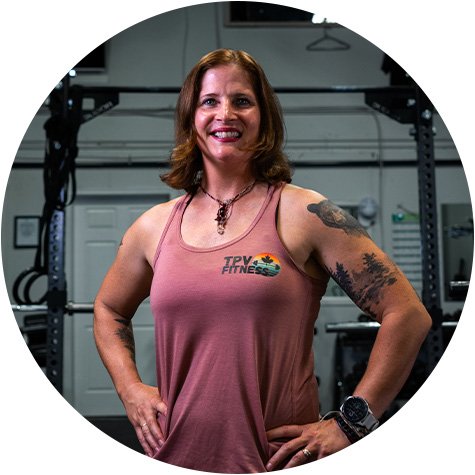
Coach Steph.